Source Transparent Air Cushion Film for Logistics, Food, and Medicine
Compare 25 transparent air cushion film options from verified suppliers offering PE and PP materials. These films provide shock protection, waterproofing, and customization for logistics, food, medicine, and cosmetic packaging needs with various bubble sizes; compare the available evidence and request quotations based on your requirements.
Key considerations
Products List


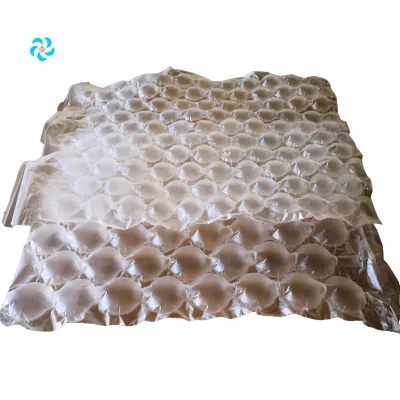


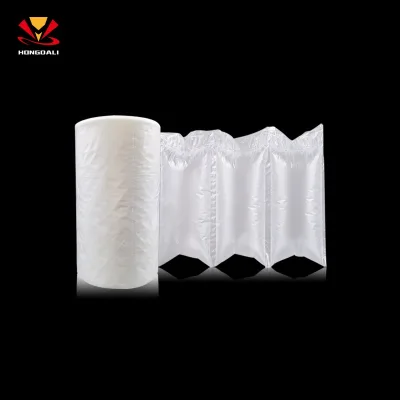
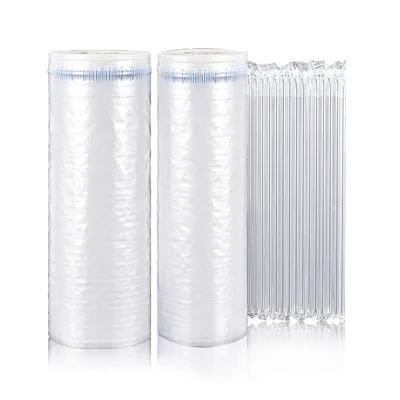


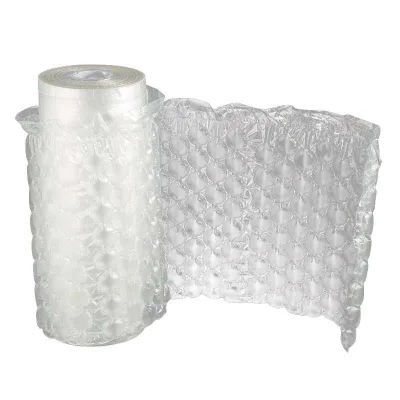



Comprehensive Sourcing Guide
Transparent Air Cushion Film Sourcing Guide
Procurement teams must first distinguish between transparent and non-transparent variants when sourcing air cushion film, as the supplied data indicates a split in product attributes where some listings specify transparency while others explicitly note non-transparent finishes. Buyers should verify the specific optical clarity required for their packaging line, as the material composition often dictates whether the film allows for product visibility or requires opaque protection. This distinction directly impacts the suitability of the film for retail-ready applications versus industrial shipping where visual inspection of the contents is unnecessary.
The observed market signals reveal a diverse range of customization options, including bubble diameter sizes ranging from 0.5 cm to 2.8 cm and customizable bubble heights. Sourcing decisions should prioritize suppliers who offer these specific dimensional variations to match the fragility of the items being shipped. Understanding that the film is available in stock or custom-made formats allows buyers to balance immediate logistics needs against long-term branding requirements, ensuring the selected product aligns with both protective performance and aesthetic standards.
Product Scope and Observed Listing Signals
The product scope encompasses a wide array of applications, including logistics, food and medicine packaging, decorative films, and general shipping services. Buyers should note that the material is designed for shock protection, compression resistance, and crush resistance, making it suitable for electronics, cosmetics, and household appliances. The versatility of the film allows it to serve as a primary protective layer in mailing, express delivery, and parcel services, where durability and tear-proof characteristics are critical for maintaining product integrity during transit.
Listing signals indicate that the film is manufactured using multiple extrusion processes, resulting in a lightweight and cost-effective solution that is easy to use. The availability of customization in color, size, and printing suggests that suppliers can tailor the film to specific brand identities or functional requirements. However, buyers must carefully review individual product listings to confirm whether the specific item meets the "transparent" requirement, as some data points list the material as non-transparent, which could lead to procurement errors if not verified against the actual product sample.
Technical Specifications to Verify
Thickness and bubble dimensions are the primary technical specifications that determine the protective capability of the air cushion film. The observed data lists a thickness range of 10 microns to 30 microns, with bubble diameters available in 0.5 cm, 1.0 cm, and 2.8 cm sizes. Procurement teams must verify that the selected film thickness corresponds to the weight and fragility of the goods being packaged, as thinner films may not provide adequate cushioning for heavy or delicate items, while thicker films might be unnecessarily expensive for lighter products.
Material composition and sealing integrity are equally critical technical factors that influence the long-term performance of the packaging. The supplied facts identify the raw materials as high-pressure polyethylene or a blend of PE and PP, which contribute to the film's waterproof, moisture-proof, and dust-proof properties. Buyers should request samples to test the sealing strength and air retention, ensuring that the film offers no air leaks and maintains its structural integrity under compression, as these attributes are essential for preventing damage during the shipping process.
Compliance and Safety Documentation
Regulatory compliance is a non-negotiable aspect of sourcing packaging materials, particularly for industries such as food, medicine, and cosmetics. The observed listings mention certifications including ISO9001, SGS, RoHS, and MSDS, which indicate that the supplier adheres to international quality and safety standards. Procurement teams must verify that the specific batch of film intended for food or pharmaceutical use carries the necessary food-grade certifications and that the material does not contain harmful substances that could contaminate the product.
Safety documentation also extends to the environmental impact and recyclability of the packaging solution. Some product attributes highlight that the film is reusable, recyclable, and available in a biodegradable version, which aligns with growing sustainability mandates in global supply chains. Buyers should request detailed Material Safety Data Sheets (MSDS) and environmental compliance reports to confirm the biodegradability claims and ensure that the disposal or recycling of the film meets local regulatory requirements and corporate sustainability goals.
Cost Drivers and Commercial Terms
The cost of transparent air cushion film is influenced by several variables, including material thickness, bubble diameter, and the extent of customization required. The observed MOQ range spans from 1 to 10,000 units, offering flexibility for both small-scale trials and large-volume production runs. Buyers should analyze the trade-off between standard stock items and custom-ordered films, as customization in color, printing, and specific dimensions often incurs additional setup costs and may affect the unit price significantly.
Commercial terms regarding lead times and payment structures are critical for maintaining supply chain continuity. While specific lead times are not provided in the data, the availability of standard samples for free and customized samples by payment suggests a structured approach to product validation. Procurement teams should negotiate clear terms regarding shipping costs, packaging standards such as 5-ply corrugated cartons, and delivery schedules to ensure that the film arrives in time for production cycles without incurring unexpected storage or expedited shipping fees.
Supplier Qualification and Quality Control
Supplier qualification requires a thorough assessment of the manufacturer's production capabilities and quality assurance systems. The data indicates that products originate from regions such as Shandong and Jiangxi in China, with some suppliers holding ISO9001 certification. Buyers should verify the supplier's capacity to maintain consistent quality across large orders, ensuring that the "Good Quality" claim is backed by robust internal testing protocols and adherence to the stated standards for bubble height and film thickness.
Quality control measures must be integrated into the procurement process to prevent defects such as air leaks or inconsistent sealing. The observed advantage of "no air leak" and "durable sealing" suggests that high-quality suppliers prioritize these attributes during the multiple extrusion process. Procurement teams should implement a sampling strategy that includes testing for tear-proof strength, compression resistance, and waterproofing before committing to a large order, ensuring that the final product meets the rigorous demands of the intended application.
Long-Term Procurement Checks
Sustaining a successful procurement relationship involves regular audits of supplier performance and product consistency over time. Buyers should establish a schedule for re-evaluating the film's performance characteristics, such as its ability to remain shock-resistant and durable under varying storage conditions. Continuous monitoring ensures that the supplier maintains the specified bubble diameters and thickness levels, preventing any degradation in protective capabilities that could lead to increased product damage rates.
Strategic planning for long-term procurement also includes assessing the supplier's ability to adapt to changing market demands and regulatory landscapes. As sustainability becomes a more prominent factor, buyers should verify the supplier's progress in offering more biodegradable or recyclable options without compromising on performance. Maintaining open communication channels and setting clear expectations for quality and delivery will help mitigate risks and ensure a reliable supply of transparent air cushion film for future operations.
FAQs
What materials are used to make transparent air cushion film?
The film is primarily manufactured using PE or PP materials, specifically high-pressure polyethylene plastic bags. This composition ensures the product is lightweight, cost-effective, and durable. The material choice supports features like being waterproof, moisture-proof, and dust-proof, making it suitable for various packaging applications.
Can I customize the size and color of the bubble film?
Yes, customization is available for both size and color. The product offers customized sizes and allows for specific color requirements to match branding needs. Additionally, printing customization is available, enabling businesses to add logos or instructions directly onto the film for enhanced marketing and identification during logistics.
What certifications does the transparent air cushion film hold?
The film holds several key certifications including ISO9001, SGS, RoHS, MSDS, and BV. These certifications verify quality management, safety standards, and environmental compliance. This ensures the product meets international requirements for use in sensitive industries such as food, medicine, and cosmetics, providing assurance of reliability and safety.
What are the main features of this air bubble film?
Key features include being shock-resistant, compression-resistant, and crush-resistant. The film is also waterproof, moisture-proof, and dust-proof. It is durable, tear-proof, and strong, while remaining lightweight and easy to use. Some versions are reusable, recyclable, and biodegradable, offering environmental benefits alongside robust protection.
What is the typical thickness of the bubble roll?
The standard thickness ranges from 10 microns to 30 microns. This specific thickness provides an optimal balance between protection and material usage. It ensures the film is sturdy enough to shield items from impact while remaining flexible and easy to handle during the packaging process for logistics and shipping.
Where is this transparent air cushion film produced?
The product originates from China, with specific production locations noted in Shandong and Jiangxi. These regions are known for manufacturing capabilities that support large-scale production. The origin ensures access to established supply chains and manufacturing expertise, facilitating efficient sourcing for international buyers requiring consistent quality and volume.